

Introduction: Why Intentional Storytelling Content Matters
In today’s content-saturated world, attention is no longer won by volume — it is earned through meaningful storytelling. Whether you are a creator, entrepreneur, educator, brand builder, or community leader, your content is not just information; it is a narrative ecosystem that shapes how people perceive your identity, expertise, and values.
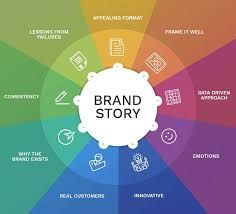
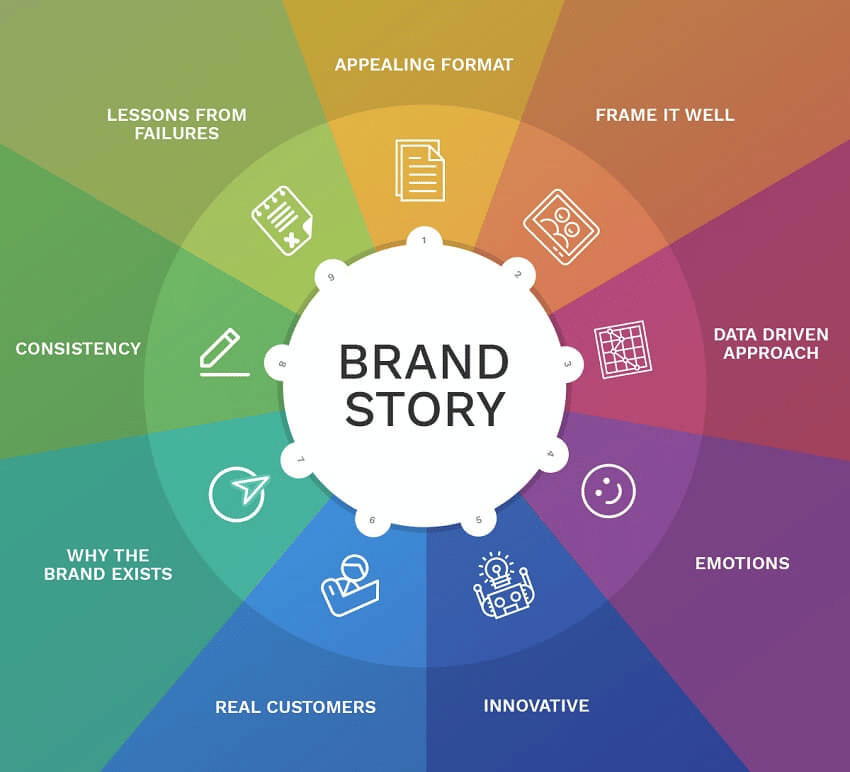
Personal and brand storytelling is the bridge between visibility and trust. It humanizes your message, clarifies your purpose, and builds emotional resonance. At the same time, educational content establishes authority, seasonal content maintains relevance, lifestyle content creates relatability, and industry commentary positions you as a thought leader.
This guide explores how to use five powerful storytelling pillars:
- Personal & Brand Storytelling
- Educational & Value-Driven Content
- Seasonal Prompts
- Lifestyle Content
- Trends & Industry Commentary
Each pillar is broken down into strategic applications, psychological principles, content structures, and execution methods. The goal is not simply to “post more,” but to communicate with intention, build credibility, and create a long-term narrative that compounds audience trust.
Part I: Personal & Brand Storytelling — Building Emotional Connection
Sharing Your “Why” or Origin Story
Your origin story establishes narrative credibility. It answers the implicit audience question: Why should I care?
A compelling “why” is not about self-promotion; it is about context. It communicates your motivations, turning points, and values. Effective origin stories include:
- A defining moment that shaped your direction
- A challenge that required growth
- A personal belief that drives your decisions
When audiences understand your origin, they interpret your work through a lens of authenticity.
Posting a Throwback to Where It All Started
Throwbacks create narrative continuity. They show evolution and demonstrate persistence. A throwback post should not simply show nostalgia — it should communicate:
- Early struggles or experiments
- Skill progression
- Lessons learned over time
This reinforces the idea that mastery is built, not inherited.
Celebrating Milestones
Milestones validate progress. They signal movement, not perfection. Celebrating milestones:
- Builds social proof
- Invites audience participation
- Reinforces growth mindset
Importantly, milestones should include reflection: what changed, what improved, and what remains to learn.
Sharing Quotes or Personal Mantras
Quotes act as compressed philosophy. A well-chosen mantra:
- Signals your guiding principles
- Anchors your brand voice
- Encourages audience reflection
When sharing quotes, connect them to lived experience rather than presenting them as abstract wisdom.
Talking About Inspiration
Inspiration reveals intellectual lineage. It shows what informs your thinking, whether books, mentors, environments, or experiences. This transparency:
- Humanizes creativity
- Builds relatability
- Encourages intellectual curiosity
Reflecting on Growth and Change
Reflection content demonstrates maturity. By discussing what has changed since you began, you model adaptability. Audiences value creators who:
- Admit outdated perspectives
- Share evolving strategies
- Normalize learning curves
Then vs. Now Transformations
Transformation posts visually communicate progress. They leverage contrast to illustrate discipline and persistence. Effective transformation storytelling includes:
- Context for the starting point
- Strategies used to improve
- Emotional journey behind the change
Lessons Learned the Hard Way
Failure-driven narratives build trust faster than success stories. They:
- Normalize struggle
- Demonstrate resilience
- Provide actionable insight
Audiences connect deeply with vulnerability that includes growth.
Talking About Failure
Failure posts should avoid dramatization and focus on analysis:
- What went wrong
- Why it happened
- What changed afterward
This reframes mistakes as data rather than identity.
Monthly or Yearly Recaps
Recap content builds narrative continuity. It encourages reflection, gratitude, and accountability. Recaps should highlight:
- Wins
- Experiments
- Lessons
- Future direction
Part II: Educational & Value-Driven Content — Establishing Authority
Educational content converts attention into trust. It demonstrates competence and generosity.
Sharing Top Tips
Tip-based posts provide immediate utility. Effective tips are:
- Specific
- Actionable
- Contextualized
Avoid generic advice; depth builds credibility.
Debunking Myths
Myth-busting content challenges assumptions. It positions you as a critical thinker who values nuance.
A strong myth breakdown includes:
- The common belief
- Evidence or reasoning against it
- A better framework
Quick Tutorials
Tutorials reduce friction between knowledge and application. Short tutorials should:
- Solve one focused problem
- Use simple steps
- Anticipate mistakes
Tools and Resources
Resource sharing builds community value. Curating tools signals expertise and generosity. Explain:
- Why each tool matters
- When to use it
- Common pitfalls
Answering FAQs
FAQ content addresses recurring confusion. It demonstrates attentiveness to audience needs and reinforces clarity.
Mistakes to Avoid
Prevention-focused content is highly shareable. It helps audiences bypass unnecessary setbacks.
Checklists
Checklists reduce cognitive overload. They translate complex processes into manageable actions.
Mini Case Studies
Case studies add proof. They show theory applied in real-world conditions, enhancing credibility.
Process Breakdowns
Transparency in workflow builds authority. Showing how you think is often more valuable than what you produce.
Learning Resources
Sharing books, podcasts, or courses reveals your intellectual influences and encourages continuous learning.
Part III: Seasonal Prompts — Maintaining Relevance and Momentum
Seasonal content anchors your narrative in time. It keeps your presence dynamic.
Monthly Goals
Goal-sharing fosters accountability and invites audience engagement.
Seasonal Bucket Lists
These posts humanize ambition and encourage balance between productivity and enjoyment.
Upcoming Plans
Sharing future direction builds anticipation and trust.
Reset Rituals
Seasonal resets communicate intentionality and mental clarity.
Mood Boards
Visual planning posts signal aesthetic and emotional direction.
Seasonal Challenges
Challenges encourage participation and consistency.
Trend Reflections
Seasonal insights position you as observant and forward-thinking.
“What’s In / What’s Out”
Contrast-based content sparks conversation and engagement.
Playlists, Recipes, Traditions
These posts deepen personal connection and lifestyle relatability.
Seasonal Reflection
Reflection strengthens narrative continuity and emotional intelligence.
Part IV: Lifestyle Content — Humanizing Your Brand
Lifestyle storytelling builds intimacy and relatability.
Day-in-the-Life Posts
These reveal process, discipline, and routines behind outcomes.
Wishlist or Cart Shares
These show preferences and personality.
Spending Trackers
Financial transparency fosters realism and relatability.
Reading & Listening Updates
These communicate intellectual curiosity.
Routine Sharing
Routines demonstrate structure and self-awareness.
Cooking & Creativity Posts
These reveal personality beyond professional identity.
Reviews
Thoughtful reviews build authority and trust.
Hauls & Experiments
These emphasize exploration and learning.
Morning/Evening Rituals
Ritual content reinforces wellness and intentional living.
Appreciation Dumps
Gratitude posts deepen emotional connection.
Part V: Trends & Industry Commentary — Establishing Thought Leadership
Trend commentary positions you as an observer and analyst.
Reacting to Headlines
Reaction posts should emphasize interpretation over sensationalism.
Predictions
Forecasting signals strategic thinking.
Platform Feature Analysis
Explaining tools empowers your audience.
Trend Evaluations
Assessing whether trends are worthwhile demonstrates discernment.
Industry Observations
Macro-level insights build authority.
In/Out Commentary
Comparative analysis encourages critical thinking.
Monthly Industry Roundups
These establish consistency and expertise.
Future Outlook Posts
Vision-oriented content builds leadership presence.
Trend Adaptation Advice
Practical guidance bridges trend awareness with execution.
Rejecting Bandwagons
Selective participation reinforces authenticity and intentional branding.
Integration Strategy: Combining the Pillars
The most effective storytelling strategies weave multiple pillars together:
- Personal reflection + education
- Lifestyle transparency + trend commentary
- Seasonal planning + process breakdown
This layered approach builds a multidimensional brand narrative.
Conclusion: Storytelling as a Long-Term System
Effective storytelling is not episodic — it is architectural. Each post becomes a brick in a larger structure that communicates identity, values, competence, and growth.
When used intentionally, these five storytelling pillars create:
- Emotional trust
- Intellectual authority
- Narrative continuity
- Community engagement
The goal is not perfection or constant performance. It is clarity, consistency, and authenticity over time.
Storytelling is how your audience remembers you. Done well, it transforms content into connection, and connection into lasting influence.
If you want, I can next create:
✅ A 30–90 day content calendar using these prompts
✅ Social media caption templates
✅ Platform-specific posting strategies
✅ Storytelling frameworks for reels/videos
✅ SEO blog version structure
✅ Engagement hooks and CTA bank
Just tell me what you want next.