

Slug: mental-health-tips-for-students
Meta Description: Discover powerful mental health tips for students to reduce stress, boost focus, and improve academic performance. A complete SEO-optimized guide for success.
🎓 Introduction: Why Mental Health Matters for Students
In today’s fast-paced academic environment, students face increasing pressure—from exams and assignments to social expectations and future career concerns. While education is essential, maintaining strong mental health is equally critical for long-term success.
Mental health affects how students think, feel, and behave. It influences concentration, decision-making, relationships, and overall academic performance. Without proper care, stress and anxiety can quickly lead to burnout, depression, or even dropping out.
This comprehensive guide provides practical, actionable, and proven mental health tips for students to help them stay balanced, focused, and emotionally strong.
🧠 1. Understand Your Mental Health
Before improving mental health, students must first understand it.
Mental health includes:
- Emotional well-being
- Psychological stability
- Social interactions
Common Signs of Poor Mental Health:
- Constant stress or anxiety
- Lack of motivation
- Difficulty concentrating
- Sleep problems
- Feeling overwhelmed or hopeless
Recognizing these early signs allows students to take action before problems worsen.
📚 2. Manage Academic Stress Effectively
Academic stress is one of the biggest challenges students face.
Practical Strategies:
- Break large tasks into smaller steps
- Use a study timetable
- Avoid last-minute cramming
- Set realistic goals
Pro Tip:
Use the Pomodoro Technique:
- Study for 25 minutes
- Take a 5-minute break
- Repeat
This improves focus and reduces mental fatigue.
😴 3. Prioritize Quality Sleep
Sleep is essential for brain function and emotional stability.
Why Sleep Matters:
- Improves memory and learning
- Reduces stress levels
- Enhances concentration
Healthy Sleep Habits:
- Sleep 7–9 hours daily
- Avoid screens before bed
- Maintain a consistent sleep schedule
Lack of sleep is directly linked to anxiety and poor academic performance.
🥗 4. Eat Healthy for a Healthy Mind
Nutrition plays a key role in mental health.
Brain-Boosting Foods:
- Fruits and vegetables
- Whole grains
- Nuts and seeds
- Fish rich in omega-3
Avoid:
- Excess sugar
- Junk food
- Too much caffeine
A balanced diet helps regulate mood and energy levels.
🏃 5. Exercise Regularly
Physical activity is one of the most effective ways to improve mental health.
Benefits:
- Reduces stress hormones
- Boosts mood
- Improves sleep
Simple Activities:
- Walking
- Jogging
- Playing sports
- Dancing
Even 20–30 minutes a day can make a huge difference.
🗣️ 6. Talk to Someone You Trust
Students often keep their struggles to themselves, which can worsen mental health.
Who You Can Talk To:
- Friends
- Family members
- Teachers
- Counselors
Sharing your feelings reduces emotional burden and provides support.
📱 7. Limit Social Media Usage
While social media can be entertaining, excessive use can harm mental health.
Negative Effects:
- Comparison with others
- Low self-esteem
- Anxiety and depression
Tips:
- Set daily screen time limits
- Avoid checking your phone during study time
- Follow positive and educational content
🧘 8. Practice Mindfulness and Relaxation
Mindfulness helps students stay present and reduce anxiety.
Techniques:
- Deep breathing
- Meditation
- Yoga
Simple Exercise:
- Close your eyes
- Take slow, deep breaths
- Focus on your breathing for 5 minutes
This can instantly calm your mind.
🎯 9. Set Realistic Goals
Unrealistic expectations can lead to frustration and burnout.
Smart Goal Setting:
- Be specific
- Make goals achievable
- Track progress
Example:
Instead of saying:
“I will study all subjects today”
Say:
“I will complete two chapters of Science today”
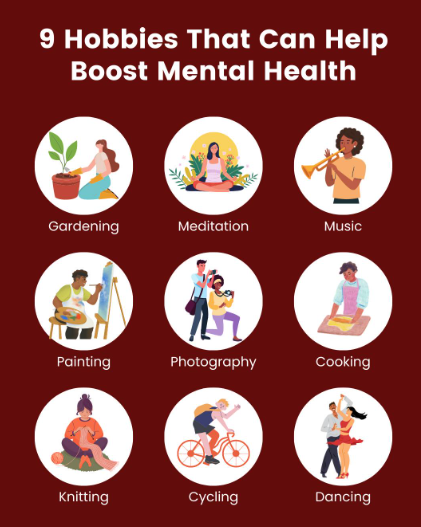
🎨 10. Take Breaks and Enjoy Hobbies
Students need time to relax and recharge.
Healthy Activities:
- Listening to music
- Drawing or painting
- Reading for fun
- Watching movies
Taking breaks improves productivity and creativity.
💡 11. Stay Organized
Disorganization leads to stress and confusion.
Organization Tips:
- Use a planner or notebook
- Keep your study space clean
- Prioritize tasks
Being organized helps students feel more in control.
🚫 12. Avoid Negative Thinking
Negative thoughts can damage confidence and mental health.
Replace Negative Thoughts:
- “I can’t do this” → “I will try my best”
- “I always fail” → “I can improve with practice”
Positive thinking builds resilience and motivation.
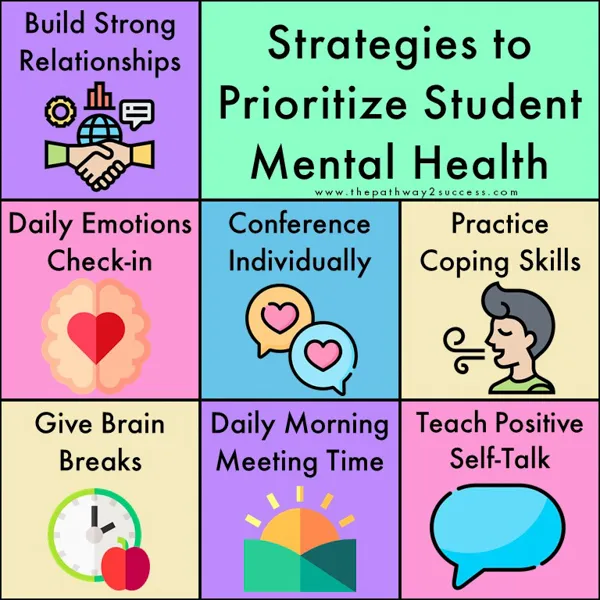
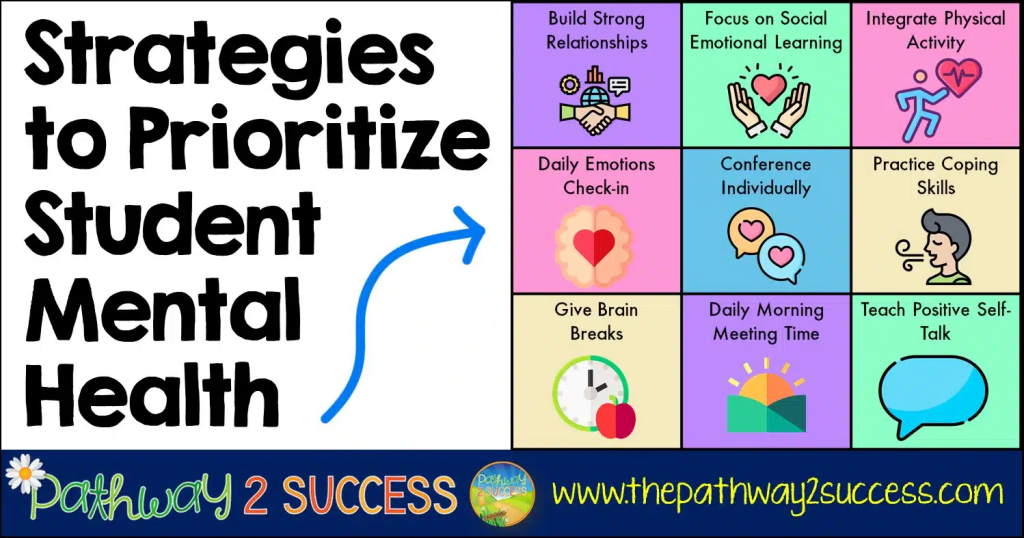
🤝 13. Build Strong Relationships
Healthy relationships provide emotional support.
How to Build Them:
- Be kind and respectful
- Spend time with positive people
- Avoid toxic friendships
Supportive relationships reduce stress and increase happiness.
🆘 14. Seek Professional Help When Needed
Sometimes, self-help is not enough—and that’s okay.
When to Seek Help:
- Persistent sadness
- Severe anxiety
- Loss of interest in activities
- Thoughts of self-harm
Talking to a mental health professional can provide proper guidance and treatment.
🌍 15. Balance Academic and Personal Life
Students should not focus only on studies.
Maintain Balance:
- Schedule time for relaxation
- Spend time with family
- Engage in extracurricular activities
A balanced life leads to better mental health and academic success.
📈 Bonus: Daily Mental Health Routine for Students
Here’s a simple daily routine:
Morning:
- Wake up early
- Eat a healthy breakfast
- Plan your day
Afternoon:
- Study in focused sessions
- Take short breaks
Evening:
- Exercise or relax
- Review your progress
Night:
- Avoid screens
- Sleep early
🔥 Conclusion: Invest in Your Mental Health
Mental health is not a luxury—it is a necessity. Students who take care of their mental well-being perform better academically, build stronger relationships, and enjoy life more.
By applying these mental health tips for students, you can:
- Reduce stress
- Improve focus
- Boost confidence
- Achieve academic success
📌 Final Thought
“Taking care of your mental health is the first step toward achieving your dreams.”