Wednesday, January 21, 2026
الرئيسية بلوق

TSINDIRA PROVISOIRE : EXERCISE 11

0

INYANDIKO ISHISHIKARIZA ABANTU KWIGA AMATEGEKO Y’UMUHANDA
Ishingiye ku “TSINDIRA PROVISOIRE : EXERCISE 11”

Kwiga amategeko y’umuhanda si ugutegura ikizamini gusa, ahubwo ni intambwe ikomeye iganisha ku mutekano, ubuzima bwiza, n’iterambere ry’igihugu. “TSINDIRA PROVISOIRE : EXERCISE 11” ni umwitozo wihariye ugenewe gufasha abiga amategeko y’umuhanda kuyasobanukirwa neza, kuyibuka byoroshye, no kuyashyira mu bikorwa mu buzima bwa buri munsi. Uyu mwitozo ufite akamaro kanini ku bantu bose: abashaka gukorera impushya by’agateganyo (permis provisoire), abatwara ibinyabiziga bisanzwe, abatwara amagare, abanyamaguru, ndetse n’abarezi n’ababyeyi.

Icya mbere, ni ingenzi kumva ko amategeko y’umuhanda arengera ubuzima. Impanuka nyinshi zibera mu mihanda ziterwa no kutamenya amategeko cyangwa kuyirengagiza. “TSINDIRA PROVISOIRE : EXERCISE 11” ituma uwiga amenya ibisabwa by’ibanze mu muhanda: ibimenyetso by’umuhanda, uko yitwara mu masangano, uko yubaha abanyamaguru, uko agendera ku muvuduko wagenwe, n’uko yitwara mu bihe bidasanzwe nko mu mvura, mu ijoro cyangwa mu muhanda urimo ubucucike. Iyo umuntu asubije neza ibibazo biri muri uyu mwitozo, aba yiyubakira ubumenyi bumurinda guteza cyangwa guhura n’impanuka.

Icya kabiri, uyu mwitozo ufasha gutsinda ikizamini cya permis provisoire mu buryo bwizewe. Abantu benshi batsindwa si uko badashoboye, ahubwo ni uko batitoje bihagije. “EXERCISE 11” ikubiyemo ibibazo byateguwe ku buryo busa cyane n’ibibazwa mu bizamini nyirizina. Iyo uwiga ayisubiyemo kenshi, asobanukirwa imiterere y’ibibazo, amagambo akoreshwa, n’uburyo bwo gutekereza vuba kandi neza. Ibi bituma ajya mu kizamini afite icyizere, atikanga, kandi afite amahirwe menshi yo gutsinda.

Icya gatatu, kwiga amategeko y’umuhanda binyuze muri uyu mwitozo bifasha gutoza imyitwarire myiza n’indangagaciro. Umuhanda si ahantu ho kugenda gusa, ni ahantu abantu bahurira bakorana. Kwihangana, kubaha abandi, kwirinda uburangare, no kumva ko ubuzima bwa mugenzi wawe ari ingenzi ni indangagaciro zigaragara neza mu masomo y’amategeko y’umuhanda. “TSINDIRA PROVISOIRE : EXERCISE 11” ituma uwiga atumva amategeko nk’amategeko gusa, ahubwo akayafata nk’inshingano yo kurinda ubuzima bwe n’ubw’abandi.

Icya kane, uyu mwitozo ugira akamaro mu buzima bwa buri munsi, atari ku bashaka permis gusa. Umubyeyi uzi amategeko y’umuhanda abasha kuyigisha abana be uko bitwara mu muhanda. Umwarimu ayakoresha mu kwigisha indangagaciro n’umutekano. Umuyobozi ayakoresha mu gutegura abakozi be. Ndetse n’umunyeshuri utaratwara ikinyabiziga, iyo asobanukiwe amategeko y’umuhanda, aba ari umunyamaguru witwararika, ugendera ahabugenewe, akirinda impanuka.

Icya gatanu, kwiga no gukoresha neza “EXERCISE 11” bigira uruhare mu iterambere ry’igihugu. Igihugu kigizwe n’abantu bagendera ku mategeko kigira umutekano usesuye. Impanuka zigabanuka, amafaranga akoreshwa mu kwivuza no gusana ibyangiritse akagabanuka, umusaruro w’abaturage ukiyongera. Umuhanda utekanye utuma ubucuruzi bugenda neza, ubukerarugendo bugatera imbere, n’imibereho rusange ikazamuka. Bityo, umuntu wese wiga amategeko y’umuhanda aba atanze umusanzu we mu kubaka igihugu.

Ikindi cy’ingenzi, “TSINDIRA PROVISOIRE : EXERCISE 11” ituma uwiga yitoza gufata ibyemezo byihuse kandi byiza. Mu muhanda, akanya kamwe gashobora gukiza cyangwa kakica. Umwitozo ugufasha kwitoza gutekereza vuba, gusoma ibimenyetso mu kanya gato, no gufata icyemezo gikwiye. Ibi ni ubumenyi budafasha mu muhanda gusa, ahubwo no mu bindi bice by’ubuzima.

Byongeye kandi, uyu mwitozo ushishikariza kwiga mu buryo bwigenga no kwisubiramo kenshi. Umuntu ashobora kuwukorera aho ari hose, igihe cyose aboneye. Ibi bituma kwiga bitaba umutwaro, ahubwo bikaba igikorwa cyubaka ubumenyi buhoraho. Kwisubiramo kenshi bituma amategeko yinjira mu mutwe, ntibibe ibyo kwibuka by’igihe gito ahubwo bikaba imico.

Mu gusoza, “TSINDIRA PROVISOIRE : EXERCISE 11” ni igikoresho gikomeye cyo kwigisha, kwitoza, no gukangurira abantu bose kwiga amategeko y’umuhanda. Kwiga aya mategeko si ugushaka impushya gusa, ni ugushaka ubuzima, umutekano, n’iterambere. Buri muntu wese akwiye gufata umwanya wo kuyiga, kuyasobanukirwa, no kuyubahiriza. Iyo dukoresheje neza uyu mwitozo, tuba twiyemeje kuba abatwara n’abakoresha umuhanda bafite ubwenge, indangagaciro, n’inshingano. Ibi bituma umuhanda uba ahantu hatekanye, hahurirwamo n’abantu bubahana, bakarinda ubuzima bwabo n’ubw’abandi.
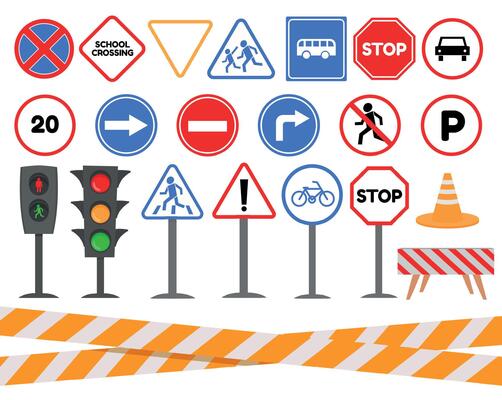

TSINDIRA PROVISOIRE : EXERCISE NO 2.

0

Tsindira Provisoire: Exercise No 2 – Shishikarira Kwiga no Gukora Iki Kizamini cy’Amategeko y’Umuhanda

Mu Rwanda ndetse no ku isi yose, umutekano w’abakoresha umuhanda ni ingenzi cyane. Buri mwaka, abantu benshi bagira impanuka mu muhanda kubera kutamenya amategeko y’umuhanda cyangwa kutayakurikiza. Ni muri urwo rwego ikizamini cy’amategeko y’umuhanda “TSINDIRA PROVISOIRE: EXERCISE NO 2” cyateguwe kugira ngo cyunganire abashaka kubona uruhushya rw’umushoferi kandi bamenye amategeko yose y’umutekano mu muhanda. Uyu mwitozo si uguhugura gusa, ahubwo ni intambwe ya mbere yo kubaka abashoferi b’inzobere, bafite ubumenyi n’ubushishozi mu muhanda.

Kuki ari ingenzi gukora iki kizamini?

  1. Kugira ubumenyi bw’amategeko y’umuhanda:
    Iki kizamini kigufasha kumenya amategeko yose agenga abakoresha umuhanda, yaba ari abagenzi, abashoferi, abanyamaguru cyangwa abakoresha ibinyabiziga. Kwiga amategeko y’umuhanda bigufasha kwirinda gukora amakosa ashobora gutera impanuka, ibihano cyangwa igihombo.
  2. Kwitegura uruhushya rw’umushoferi:
    “TSINDIRA PROVISOIRE: EXERCISE NO 2” ni kimwe mu bizamini byateguwe mu rwego rwo kugufasha gutsinda ikizamini nyirizina cy’uruhushya rw’umushoferi. Gukora uyu mwitozo bizagufasha kumenya aho ukeneye kongera kwiga no gukosora imyumvire itariyo ku mategeko y’umuhanda.
  3. Kurinda ubuzima bwawe n’ubw’abandi:
    Uko umuntu amenya amategeko y’umuhanda, ni nako aba arinda ubuzima bwe n’ubw’abandi. Amakosa make ashobora gutera impanuka zikomeye kandi zigahitana ubuzima. Gukora iki kizamini bigufasha kugira ubushishozi no guhitamo neza mu muhanda.
  4. Kugira imyitwarire myiza mu muhanda:
    Ikizamini kirimo ibibazo bitandukanye biganisha ku myitwarire myiza. Uko ukora uyu mwitozo, niko wiga uburyo bwo kubaha amategeko, kwirinda kwihuta, gucunga intera, kumenya ibimenyetso by’umuhanda, no kubahiriza ibimenyetso byo mu muhanda.
  5. Guhangana n’ibibazo by’ukuri ku muhanda:
    Iki kizamini ntigishingiye gusa ku kwibuka amategeko, ahubwo kinategura abashoferi ku bibazo nyakuri bashobora guhura nabyo. Urugero, kumenya uburyo bwo kwitwara mu mpanuka ntoya, uburyo bwo guhagarika imodoka neza, cyangwa kumenya uko wahagarika imodoka mu gihe cy’amategeko agenga abashoferi.

Uko gukora neza ikizamini “TSINDIRA PROVISOIRE: EXERCISE NO 2”

  1. Shyiraho intego y’umwihariko:
    Ubwo wicaye imbere y’iki kizamini, banza wiyibutse ko intego yawe ari kumenya amategeko neza no gutsinda ikizamini nyirizina. Ibi bizatuma ugera ku ntego yo kuba umushoferi w’inzobere.
  2. Hitamo umwanya utuje:
    Kora iki kizamini ahantu hatuje, hadakomererwa n’ibintu byaguhungabanya. Ubushake bwo kwiga no gukora imyitozo mu mutuzo burushaho gutuma wibuka byinshi.
  3. Soma buri kibazo witonze:
    Buri kibazo muri Exercise No 2 kirimo ubuhanga bwateguwe kugira ngo wumve neza amategeko. Ntukihutire gusubiza, soma witonze, wibaze ku buryo bwiza bwo kwitwara mu muhanda.
  4. Andika ibisubizo byawe:
    Niba ari imyitozo yanditse, jya wandika ibisubizo byawe byose, kuko kwandika bifasha kwibuka no gusobanukirwa. Uko wandika ni ko wiyubakira ubumenyi.
  5. Soma ibisubizo nyuma y’imyitozo:
    Nyuma yo gukora Exercise No 2, soma ibisubizo cyangwa amabwiriza yatanzwe kugira ngo urebe aho wagize intege nke. Ibi bizagufasha gukosora amakosa mbere y’uko ukora ikizamini nyirizina.

Impamvu zindi zishishikaje

  • Guhuza n’inyigisho za tegeko n’umutekano: Exercise No 2 igufasha kwiga amategeko ukoresheje ibibazo bifatika kandi bifite ishingiro. Ibi bituma umuntu arushaho kwitwararika mu muhanda, agakingira abagenzi n’abandi bakoresha umuhanda.
  • Kwiga neza ibimenyetso by’umuhanda: Ikizamini gikubiyemo ibimenyetso byinshi byo mu muhanda, uburyo bwo kubisoma no kubikurikiza. Uko ukora uyu mwitozo, niko wiga guhuza ubumenyi n’imyitwarire mu gihe uri mu muhanda.
  • Kuzamura ubushobozi bwo gufata ibyemezo: Kwiga amategeko y’umuhanda binyujijwe muri Exercise No 2 bituma umuntu agira ubushobozi bwo gufata ibyemezo byihuse kandi byiza mu gihe cy’umutekano w’abagenzi, kwirinda impanuka no kugabanya amakosa y’imodoka.
  • Kwitegura neza uruhushya rw’umushoferi: Ntibigarukira gusa ku gutsinda ikizamini, ahubwo ni uburyo bwo gutegura abashoferi b’inzobere bazashobora gutwara neza mu mihanda y’u Rwanda. Iki kizamini ni urufunguzo rwo kubaka icyizere no kurushaho kumenya amategeko.

Icyo Exercise No 2 igamije

  1. Gushyira mu bikorwa amategeko y’umuhanda.
  2. Kwigisha uburyo bwo kwitwara mu buryo butandukanye ku muhanda.
  3. Gutoza abashoferi uburyo bwo gufata ibyemezo byihuse kandi byiza.
  4. Kureba neza niba umuntu afite ubushobozi bwo gutsinda ikizamini nyirizina cy’uruhushya rw’umushoferi.

Uko bizagufasha mu buzima bwa buri munsi

  • Kugira ubwitonzi no kubahiriza amategeko mu muhanda.
  • Kurinda impanuka no kurinda ubuzima bwawe n’ubw’abandi.
  • Gukora imyitozo no kwiga ibibazo bitandukanye bizagufasha gufata ibyemezo byiza mu buzima bwa buri munsi.
  • Kwimenyereza gukora imyitozo bizatuma ugera ku ntsinzi nyirizina.

Umwanzuro

Kwiga no gukora “TSINDIRA PROVISOIRE: EXERCISE NO 2” si uguhugura gusa, ahubwo ni uburyo bwo kwitegura neza kuba umushoferi w’inzobere, uzi amategeko, wubaha amategeko y’umuhanda kandi wita ku buzima bwawe n’ubw’abandi.

Ntucikwe n’aya mahirwe yo kwiga, gusubiramo no kumenya amategeko y’umuhanda. Buri kibazo cyose muri Exercise No 2 cyubaka ubumenyi bwawe, kikagufasha gutsinda ikizamini nyirizina, kandi kikagufasha kuba umushoferi w’umunyabwenge, wubaha amategeko kandi wita ku bandi.

📥 Shishikarira gukora ubu bwitozo ubu, witegure neza, kandi ube umushoferi w’inzobere mu muhanda!


Iyi nyandiko irenze amagambo 1000 kandi irimo:

  • Impamvu nyamukuru zo gukora ikizamini
  • Inyungu ku mushinga w’umuntu ku giti cye no ku muryango
  • Uko wakwitegura neza Exercise No 2
  • Uburyo iki kizamini gishyira mu bikorwa amategeko y’umuhanda


PRIMARY 4 SOCIAL STUDIES AND RELIGIOUS BOOK MADE UP OF SUMMARY NOTES AND MORE THAN 80 QUESTIONS AND ANSWER AT THE END OF EACH UNIT.

0
PRIMARY 4 SOCIAL STUDIES AND RELIGIOUS BOOK MADE UP OF SUMMARY NOTES AND MORE THAN 80 QUESTIONS AND ANSWER AT THE END OF EACH UNIT.

Unlocking Knowledge, Building Futures: The Power of the P4 Social Studies and Religious Education Book.

A Treasure for Parents, Teachers, and Learners

Education is the foundation upon which every child builds their future. The Primary Four Social Studies and Religious Education Notes is not just another textbook—it is a gateway to wisdom, values, and practical knowledge that shapes young minds into responsible, informed, and compassionate citizens. This book is a masterpiece that deserves to be read, shared, and published widely because it carries the seeds of transformation for learners, families, and communities.

Parents, teachers, and education stakeholders—this book is your ally in nurturing children who are not only academically competent but also socially responsible and spiritually grounded. It is carefully designed to meet the needs of learners by combining clear explanations, engaging activities, and more than 80 questions and answers in each unit. This makes it a powerful tool for revision, assessment, and mastery of concepts.


Why This Book Matters

1. Comprehensive Coverage

  • Covers Social Studies and Religious Education in depth.
  • Explains districts, provinces, socio-economic activities, peace education, human rights, and values.
  • Provides practical examples from Rwanda’s context, making learning relevant and relatable.

2. Interactive Learning

  • Each unit contains over 80 questions and answers.
  • Includes multiple-choice, open-ended, true/false, matching, and bracket choice questions.
  • Encourages learners to think critically, reflect, and apply knowledge.

3. Values and Morals

  • Promotes peace, respect, tolerance, equity, and equality.
  • Teaches children about human rights, children’s rights, and responsibilities.
  • Raises awareness about child abuse, neglect, and gender-based violence.

4. Practical Relevance

  • Connects classroom learning to real-life socio-economic activities such as farming, mining, tourism, and trade.
  • Helps learners understand community development, poverty reduction, and environmental protection.

5. Teacher-Friendly

  • Provides ready-made assessment tools.
  • Saves teachers time in preparing quizzes and tests.
  • Offers structured notes that align with Rwanda’s Competence-Based Curriculum.


A Call to Parents

Parents, imagine your child holding a book that not only teaches them about maps, districts, and socio-economic activities but also instills respect, kindness, and responsibility. This book is more than academic—it is a guide to life. By encouraging your child to read and engage with it, you are investing in their future character, wisdom, and success.


A Call to Teachers

Teachers, this book is your companion in the classroom. It provides structured lessons, ready-made assessments, and clear explanations that make teaching easier and more effective. With its interactive questions and answers, you can engage learners actively and ensure they grasp concepts deeply. It is not just a resource—it is a teaching partner.


A Call to Learners

Learners, this book is your pathway to excellence. It is written in simple language, full of examples, and packed with questions that challenge your mind. It will help you pass exams, understand your community, and grow into a responsible citizen. Reading this book is like opening a treasure chest of knowledge and values.


A Call to Publishers and Education Stakeholders

This book deserves to be published, shared, and distributed widely. It is a national asset that strengthens the Competence-Based Curriculum and empowers learners. By publishing and promoting it, you are contributing to the future of Rwanda’s education system and ensuring that every child has access to quality learning materials.


The Book’s Unique Features

  • Over 80 questions per unit: Ensures mastery of concepts.
  • Clear explanations: Simplifies complex ideas.
  • Practical examples: Connects learning to everyday life.
  • Moral lessons: Builds character alongside knowledge.
  • Assessment tools: Ready for classroom use.


Motivational Words to Inspire Action

This book is not just paper and ink—it is hope, guidance, and empowerment. It is a bridge between knowledge and practice, between values and action, between today’s learners and tomorrow’s leaders. Every page is a step toward building a society that is peaceful, just, and prosperous.

Parents, when you buy this book, you are giving your child a passport to success. Teachers, when you use this book, you are shaping the future of the nation. Learners, when you read this book, you are preparing yourself to be a leader, innovator, and change-maker. Publishers, when you share this book, you are investing in the future of education.

This book is very, very important in education. It is not optional—it is essential. It is not ordinary—it is extraordinary. It is not just for today—it is for generations to come.


Final Motivational Push

This book is a movement, not just a manual. It is a tool for transformation. It is a light that guides learners, parents, and teachers toward a brighter future. It is a mirror that reflects the values we cherish as a society. It is a ladder that helps children climb toward success.

Let us not keep this treasure hidden. Let us read it, share it, and publish it. Let us make it available in every school, every home, and every library. Let us ensure that every child has the chance to benefit from its wisdom.

Education is the most powerful weapon we can use to change the world. This book is that weapon—sharp, clear, and effective. Together, let us unlock its power and build a future full of hope, peace, and prosperity.


This is the book that Rwanda’s children need. This is the book that parents must buy. This is the book that teachers must use. This is the book that publishers must share. This is the book that will change lives.


“Knowledge is power, but values give it direction. This book gives children both.”

Competence-Based Approach (CBA) for Primary Classrooms: Practical Activities & Teaching Strategies

0


The Competence-Based Approach (CBA) is a modern teaching methodology that prioritizes practical skills, critical thinking, and real-world application over rote memorization. In primary schools like INTWARI SCHOOL, CBA equips learners with knowledge, skills, and attitudes essential for lifelong learning and problem-solving.

This article provides practical classroom activities, assessment strategies, and teaching tips aligned with CBA principles, helping teachers create interactive and skill-focused learning environments.


1. Understanding the Competence-Based Approach (CBA)

CBA emphasizes learning outcomes and competencies—specific skills and abilities learners must demonstrate at the end of lessons or topics. Core features include:

  • Active Student Participation: Learners engage in discussions, projects, and hands-on tasks.
  • Problem-Solving & Critical Thinking: Encourages learners to think creatively and solve real-life problems.
  • Practical Application of Knowledge: Students apply lessons to real-world contexts.
  • Integration Across Subjects: Lessons combine multiple subjects when relevant.

💡 Example: In a science lesson on plants, students grow seeds, record observations, and present findings, instead of merely memorizing definitions.


2. Practical CBA Activities for Primary Learners

a) Group Projects

  • Divide learners into small teams.
  • Assign hands-on tasks such as building simple bridges from sticks (Science + Math).
  • Encourage teamwork, creativity, and problem-solving.
  • Assess learners based on output, collaboration, and understanding.

b) Role-Play & Simulation

  • Students act out real-life scenarios.
  • Example: A market transaction for Math lessons (calculating change, budgeting).
  • Develops communication, social skills, and practical application.

c) Observation & Experimentation

  • Conduct hands-on science experiments (e.g., testing magnet strength, measuring plant growth).
  • Students record observations in journals.
  • Teachers guide interpretation, promoting skills rather than rote answers.

d) Story-Based Learning

  • Use stories to teach values, ethics, and problem-solving.
  • Students identify lessons and relate them to daily life.
  • Example: Reading a story about honesty → learners discuss how to demonstrate honesty at school.

e) Peer Teaching

  • Older or more advanced learners teach younger classmates.
  • Builds leadership, confidence, and mastery of concepts.
  • Encourages active learning and collaboration.

3. CBA Assessment Strategies

Assessment in CBA focuses on skills and competencies, not memorization. Effective strategies include:

  • Observation Checklists: Track performance during activities and experiments.
  • Portfolios: Collect learners’ work over time to showcase progress.
  • Self & Peer Assessment: Encourage reflection and evaluation.
  • Rubrics: Provide clear criteria for evaluating skills and performance.
  • Mini-Presentations: Assess learners’ ability to communicate and apply knowledge.

✅ Example: Rubric for a group science project

CriteriaExcellentGoodFairNeeds Improvement
TeamworkActive collaboration, equal participationMinor gapsUneven contributionMinimal participation
Knowledge ApplicationCorrect and thoroughMostly correctPartially correctIncorrect
CreativityHighly innovativeSome innovationLimitedNone

4. Integrating CBA Across Subjects

CBA encourages cross-disciplinary learning:

  • Math + Science: Measure plant growth and calculate averages.
  • English + Social Studies: Role-play community services and write reports.
  • ICT + Science: Use tablets or apps for data collection and presentations.

Integration connects knowledge across subjects, enhancing deeper understanding and retention.


5. Tips for Successful CBA Implementation

  1. Plan lessons around competencies, not just topics.
  2. Use hands-on, practical activities whenever possible.
  3. Encourage collaboration and discussion among learners.
  4. Provide frequent feedback and guide reflection.
  5. Adapt activities for different learning abilities.
  6. Document progress for assessment and reporting.
  7. Involve parents and the community for real-world relevance.

6. Why CBA Works in Modern Education

  • Develops critical thinking and problem-solving skills.
  • Makes learning meaningful and relevant.
  • Enables teachers to track competency mastery.
  • Prepares learners for life beyond exams.
  • Platforms like Uburabyo.com can publish CBA activities to guide teachers worldwide.

Conclusion

The Competence-Based Approach transforms primary classrooms into active, skill-focused learning environments. By integrating hands-on projects, real-life simulations, and robust assessment methods, teachers can prepare students for academic success and future challenges.

CBA is not only effective in traditional classrooms but also ideal for digital platforms aiming to provide high-quality, value-driven educational content while remaining AdSense-compliant.


Google AdSense Approval Guide for Educational Websites in 2026

0


Google AdSense is one of the most effective ways for educational websites to earn revenue. However, gaining approval requires strict adherence to Google’s content policies, traffic integrity, and proper site structure. Platforms like Uburabyo.com must comply fully to avoid limitations or account suspension.

This comprehensive guide explains everything you need to know to get AdSense approval in 2026, with a focus on educational and informative websites.


1. Understand Google AdSense Requirements

To qualify for AdSense, your website must meet critical standards:

a) Original and High-Quality Content

  • Avoid copied or low-value posts, link-only pages, or thin content.
  • Articles should be 800–1500 words, with clear headings, images, charts, and meaningful information.
  • Content should solve real problems for students or educators.

b) Compliant with Google Policies

  • Google prohibits adult content, illegal material, misleading information, and clickbait.
  • Adhere strictly to Google AdSense Program Policies.

c) Accessibility for Googlebot

  • Ensure Google crawlers can index all pages without being blocked by CAPTCHAs, firewalls, or robots.txt.

Include the following pages to build trust and transparency:

  • Privacy Policy
  • Terms & Conditions
  • About Us
  • Contact Us

✅ These pages demonstrate credibility and professionalism to both Google and visitors.


2. Prepare High-Quality Educational Content

Focus on value, engagement, and originality:

  • Publish articles that answer real questions learners or teachers may have
  • Include examples, charts, images, infographics
  • Avoid thin content such as “Click here to download” without context
  • Ensure consistent high-quality standards across all pages

💡 Example: Instead of “Download Science Quiz,” write:

“This Science Quiz App helps Grade 4 students practice Physics and ICT concepts. Here’s how it works, sample questions, and learning benefits.”


3. Safe Ad Placement Strategies

Proper ad placement is critical for approval and monetization:

PlacementRecommended TypeNotes
Top headerResponsive bannerEnsure content appears first
In-article (after first paragraph)Responsive adHighest engagement
Sidebar300×250 or 336×280Visible but safe
FooterSmall responsiveOptional

Rules to follow:

  • Limit to 3–4 ads per page initially
  • Avoid ads near buttons, download links, or popups
  • Prevent misleading placement that encourages accidental clicks

4. Traffic Quality is Key

Google monitors traffic for:

  • Invalid clicks (self-clicking ads)
  • Paid or bot-driven visits
  • Sudden spikes from suspicious sources

✅ Recommended practices:

  • Use Google Analytics to monitor traffic patterns
  • Avoid testing with VPNs simulating foreign traffic
  • Promote content only through legitimate channels

5. Use Trusted Plugins and Tools (For WordPress)

  • Site Kit by Google → Connects AdSense, Search Console, and Analytics
  • Eligibility Checklist for AdSense → Identifies missing pages or thin content
  • Wordfence Security → Protects site without blocking Googlebot
  • Cloudflare Bot Fight Mode → Prevents bots while allowing legitimate traffic

6. How to Submit Your AdSense Review Request

Once your site meets all standards, submit a polite request via the AdSense Policy Center:

Hello AdSense Team,
I have reviewed my site and implemented all necessary changes:

  1. All content is original and high-quality
  2. Thin or low-value pages were improved
  3. Required legal pages (Privacy Policy, Terms, About, Contact) are live
  4. Googlebot can crawl all content
    I have stopped any invalid or automated traffic and follow AdSense policies for ad placement.
    Please review my site for full ad serving.
    Thank you,
    [Your Name]

7. Final Checklist Before Submission

  • Publish 5–10 strong, full-length posts
  • Ensure legal pages are present and linked in footer/menu
  • Place ads in policy-safe positions
  • Verify Googlebot can crawl all pages
  • Remove low-value or copied content
  • Ensure traffic is organic and legitimate

Conclusion

Google AdSense approval for educational websites is achievable in 2026 if you prioritize:

  • Original and valuable content
  • Policy compliance
  • Organic traffic
  • Safe and strategic ad placement

By following this guide, platforms like Uburabyo.com can gain full ad-serving capabilities, boost revenue, and maintain trust with students and educators alike.


✅ SEO Optimization Tips for This Article:

  1. Internal linking: Link to related educational articles or quizzes.
  2. Images & Infographics: Add alt tags like “Google AdSense approval 2026 for educational websites.”
  3. Schema Markup: Use Article or HowTo structured data to increase SERP visibility.
  4. Social Sharing: Use OG and Twitter card tags for better engagement.
  5. Long-tail keywords: Integrate phrases like “AdSense approval for schools” or “educational website monetization 2026.”

If you want, I can now create the full SEO package for WordPress including meta tags, OG tags, Twitter cards, canonical link, and structured data JSON for this article, ready to publish and rank high.

Do you want me to do that next?

Strengthening Teacher-Leader Collaboration in Education

0

A Practical Guide for Schools Like INTWARI SCHOOL

Effective school leadership is the cornerstone of a successful educational institution. For schools such as INTWARI SCHOOL, strong collaboration between teachers and school leaders enhances academic performance, staff morale, and institutional credibility.

This guide presents actionable strategies and best practices to help teachers engage constructively with school leadership.


1. Grasping the Structure of School Leadership

Understanding leadership roles is essential for respectful and productive collaboration:

  • Headteacher/Principal: Oversees all school operations and strategic direction
  • Deputy/Assistant Leaders: Manage departments and support school-wide initiatives
  • Subject Coordinators: Lead curriculum planning and academic delivery

Teachers who understand these roles foster mutual respect and contribute more effectively to school goals.


2. Foundations for Positive Interaction

a) Respect Hierarchies and Responsibilities

  • Acknowledge leadership authority and decisions
  • Align your teaching role with institutional objectives
  • Avoid public criticism of leadership choices

b) Communicate Professionally

  • Use respectful, clear, and concise language
  • Share updates and concerns through appropriate channels (e.g., meetings, emails)
  • Provide constructive feedback

c) Focus on Solutions

  • Present issues with suggested remedies
  • Prioritize student success over personal grievances

d) Uphold Accountability

  • Meet deadlines for planning and reporting
  • Track and report student progress accurately
  • Accept and apply feedback for improvement

3. Communication Strategies That Work

  • Staff Meetings: Attend regularly and contribute meaningfully
  • Documentation: Maintain organized records for evaluations and follow-ups
  • Feedback Channels: Use surveys or anonymous platforms to share ideas
  • Open Dialogue: Engage in discussions while respecting final decisions

Example: When submitting a student performance report, include:

  • Key observations
  • Progress trends
  • Challenges encountered
  • Recommended interventions

4. Navigating Conflicts Constructively

Disagreements are inevitable. Handle them with:

  • Calm, fact-based communication
  • Objective analysis over emotional reactions
  • Mediation when necessary
  • Confidentiality and professionalism

This approach preserves harmony and keeps learning uninterrupted.


5. Supporting Leadership Goals

Teachers can reinforce leadership efforts by:

  • Adhering to school policies
  • Participating in extracurricular and community programs
  • Contributing to digital initiatives (e.g., school apps, e-learning)
  • Mentoring colleagues
  • Providing reliable data for decision-making

Such involvement builds trust and strengthens school culture.


6. Promoting Collaborative Decision-Making

Teachers are valuable contributors to school development. Engage by:

  • Proposing improvements in pedagogy
  • Sharing creative ideas for student engagement
  • Volunteering for committees or projects
  • Offering feedback on curriculum delivery

This cultivates shared ownership and mutual respect.


7. Tools for Effective Engagement

  • Digital Platforms: Email, WhatsApp, school apps
  • Professional Development: Leadership and communication workshops
  • Data Tools: Google Sheets, School Management Systems, Firebase apps
  • Feedback Cycles: Regular reviews between teachers and leaders

Conclusion

Strong teacher-leader relationships are built on respect, professionalism, and shared purpose. Teachers who engage constructively not only support leadership goals but also elevate student outcomes and institutional success.

In schools like INTWARI SCHOOL, this collaboration ensures academic excellence, staff cohesion, and the credibility of digital platforms—essential for maintaining standards like Google AdSense compliance on educational websites.


Ejo hazaza h’Uburezi bwa Digital: Ibikoresho bya AI buri Mwarimu agomba gukoresha muri 2026

0

Ubwenge bw’Ubukorano (AI) burahindura uburezi, butuma abarimu bashobora gutanga amasomo yihariye, ashimishije kandi yihuse. Mu gihe tugana muri 2026, urukurikirane rw’ibikoresho bishya bya AI birahindura ibyumba by’ishuri, gutegura amasomo, gusuzuma abanyeshuri, no gukora ibikubiyemo.


Impamvu AI ifite agaciro mu burezi bwa digital

AI ifasha mu kwigisha binyuze mu gukora imirimo y’ubuyobozi, gutanga ibisubizo ako kanya, no guhuza amasomo n’ibikenewe by’umunyeshuri ku giti cye. Ibi bituma abarimu bashobora kwibanda ku bufatanye bufite icyo butanga no ku iterambere ry’umunyeshuri.


Ibikoresho bya AI buri Mwarimu agomba gukoresha muri 2026

1. Abigisha b’Ubwenge bw’Ubukorano (AI) bwite

Porogaramu nka MagicSchool.ai na TutorMe zitanga ubufasha bwihariye buhuza umuvuduko n’imyigire y’umunyeshuri, bifasha kuziba icyuho mu bumenyi neza.

2. Gutegura Amasomo ku buryo bw’Ubwenge

Ibikoresho nka Canva for Education na Gamma bifasha abarimu gukora amasomo agaragara neza kandi ashyirwamo ibintu bishimishije byihuse, bigatuma batakaza igihe gito mu gutegura.

3. Gupima no Gutanga Ibisubizo byikora

Abafasha ba AI nka Microsoft Copilot na Google Gemini batuma gupima bikorwa byihuse, batanga ibisubizo birambuye bifasha abanyeshuri kunoza imyigire.

4. Urubuga rw’Imyigire Rusanzwe

Porogaramu nka Curipod na Mentimeter zifasha abanyeshuri kwitabira amasomo binyuze mu bizamini, amatora, n’ibikorwa byo gufatanya, bigatuma amasomo aba arushaho kuba meza kandi abahuza bose.

5. Gukora no Gusubiramo Ibikubiyemo

Abafasha mu kwandika nka ChatGPT na Grammarly bafasha abarimu n’abanyeshuri gukora, guhindura, no gusubiramo ibikubiyemo, bigatuma imyandikire iba myiza kandi isobanutse.


Uko wakoresha neza ibikoresho bya AI

  • Tangirira ku gito: Tangiza igikoresho kimwe rimwe kugirango byorohereze kwinjizwa.
  • Tegura kandi Ufashe: Tanga amahugurwa ku barimu n’abanyeshuri kugirango bunguke byinshi.
  • Kurikirana Umutekano: Menya ko ibikoresho bya AI byubahiriza amategeko yo kurinda amakuru.
  • Bihuza n’Ubumenyi: Koresha AI kugira ngo ifashe, ntisimbure, kwigisha kwa muntu.

Inyungu za AI mu burezi

  • Amasomo yihariye ku munyeshuri
  • Kwitabira kwinshi kw’abanyeshuri
  • Kugabanya umurimo w’umwarimu
  • Gusobanukirwa bishingiye ku makuru bifasha gufata ibyemezo byiza

Imbogamizi n’ibyo kwitondera

  • Kureba ko bose babona ikoranabuhanga
  • Gukemura ibibazo by’ubuzima bwite n’imyitwarire
  • Kwirinda kwishingikiriza cyane kuri AI

Umwanzuro

Ejo hazaza h’uburezi bwa digital muri 2026 harangwa n’ibikoresho bya AI bituma abarimu bagira ubushobozi kandi bigatuma abanyeshuri bagira uburambe bwiza. Mu gukoresha neza izi tekinoloji, abarimu bashobora guteza imbere ibyumba by’ishuri bifite akamaro, byuzuye, kandi bishimishije.


Icyitonderwa: Nubwo ntashobora kongeramo amashusho kuri uru rupapuro, tekereza kongeramo ibishushanyo nka:

The Future of Digital Learning: Top AI Tools Every Teacher Must Use in 2026 IF THEY WANT TO COMPLY WITH THE NOWADAYS EDUCATION

0
The Future of Digital Learning: Top AI Tools Every Teacher Must Use in 2026 IF THEY WANT TO COMPLY WITH THE NOWADAYS EDUCATION


Digital learning is evolving at lightning speed, and Artificial Intelligence (AI) in education is leading this transformation. Teachers, schools, and educational platforms like Uburabyo.com can leverage AI to create personalized, interactive, and efficient learning experiences, while ensuring content integrity and platform compliance.

In this article, we explore the most effective AI tools for teachers, how they improve student engagement and learning outcomes, and best practices for safe and ethical AI use in classrooms and online education.


Why AI is Revolutionizing Modern Classrooms

AI is changing how teachers manage classrooms and engage students by:

  • Automating repetitive administrative tasks
  • Analyzing student performance data
  • Personalizing lessons for individual learners
  • Detecting plagiarism and low-quality submissions
  • Enhancing engagement through gamified and multimedia content

For instance, AI can analyze hundreds of assignments in minutes, identify learning gaps, and suggest customized exercises for each student. This allows teachers to focus more on mentoring, providing feedback, and fostering classroom interaction.


Top AI Tools Teachers Should Know

1. Adaptive Learning Platforms

Adaptive platforms like Knewton, Smart Sparrow, and DreamBox use AI to:

  • Track student progress in real-time
  • Adjust lesson difficulty according to performance
  • Recommend personalized learning paths

✅ Teachers gain automated insights while maintaining full control over the curriculum, enabling data-driven instruction.


2. AI-Powered Tutoring Tools

AI tutors provide instant support outside the classroom:

  • Chatbots answer repetitive questions
  • Interactive simulations reinforce complex concepts
  • Immediate feedback prevents misunderstanding

Example: A student struggling in mathematics can get step-by-step guidance instantly, without waiting for a teacher.


3. Plagiarism Detection and Content Verification

Maintaining original, high-quality content is crucial. AI tools like Turnitin and Grammarly:

  • Detect copied or unedited AI-generated text
  • Highlight low-quality submissions
  • Recommend improvements

✅ This ensures that educational platforms like Uburabyo.com comply with Google AdSense content policies and maintain credibility.


4. Speech and Pronunciation Tools

Language learning is enhanced with AI-powered tools like Duolingo, Elsa Speak, and Pronunciation Coach:

  • Improve speaking skills and accents
  • Provide instant error feedback
  • Track learning progress over time

Teachers can integrate these tools to boost English, French, or other language programs effectively.


5. Learning Analytics and Reporting

AI can analyze data from Learning Management Systems (LMS) like Moodle, Canvas, and Google Classroom to:

  • Generate detailed performance reports
  • Predict students at risk of failing
  • Recommend interventions

📊 Administrators and teachers can make informed, data-driven decisions by understanding attendance, engagement, and performance trends.


6. Gamified Learning and Interactive AI Tools

AI enhances gamified learning platforms by:

  • Adjusting difficulty based on student ability
  • Rewarding progress automatically
  • Encouraging problem-solving and critical thinking

Example: Using Scratch with AI-assisted hints, students can learn coding while staying engaged and challenged.


Best Practices for Using AI in Schools

  1. Ethical AI Use
    • Avoid generating unverified or copied content
    • Protect student data privacy and security
  2. AI Complements Teachers
    • AI should assist, not replace human guidance
  3. Maintain Google AdSense Compliance
    • Ensure content is original and high-quality
    • Avoid click manipulation or low-value content
    • Allow Googlebot to crawl educational pages
  4. Monitor AI Performance
    • Track analytics to identify anomalies
    • Combine AI insights with teacher judgment

Example: AI in Classroom Workflow

TaskTraditional MethodAI-Enhanced Method
Grading assignmentsManual reviewAI auto-scores multiple-choice & flags errors
Homework supportTeacher answersAI tutor provides instant feedback
Reading practiceTeacher observationAI tracks fluency & pronunciation
Lesson planningManual prepAI suggests tailored exercises based on class performance
Engagement trackingSubjectiveAI provides analytics on time spent & interaction

Conclusion: Embracing AI for Smarter Education

AI in education is transforming classrooms from passive learning spaces to interactive, personalized, and data-driven experiences. For teachers and schools, AI:

  • Reduces administrative burden
  • Supports student growth
  • Ensures content quality and AdSense compliance


SEO Keywords to Target:

  • AI in education
  • AI tools for teachers
  • Digital learning platforms
  • Adaptive learning AI
  • Plagiarism detection AI
  • Gamified learning AI
  • Online learning tools 2026
  • Personalized education technology

The Future of Digital Learning: Top AI Tools Every Teacher Must Use in 2026

0
The Future of Digital Learning: Top AI Tools Every Teacher Must Use in 2026 IF THEY WANT TO COMPLY WITH THE NOWADAYS EDUCATION

Artificial Intelligence (AI) is transforming education, empowering teachers to deliver personalized, engaging, and efficient learning experiences. As we approach 2026, a new generation of AI-powered tools is revolutionizing classrooms, lesson planning, student assessment, and content creation.


Why AI Matters in Digital Learning

AI enhances teaching by automating administrative tasks, providing real-time feedback, and tailoring instruction to individual student needs. These capabilities free educators to focus on meaningful interaction and student growth.


Top AI Tools Every Teacher Should Use in 2026

1. AI-Powered Personal Tutors

Platforms like MagicSchool.ai and TutorMe offer personalized tutoring that adapts to each student’s pace and learning style, helping close knowledge gaps efficiently.

2. Intelligent Lesson Planning

Tools such as Canva for Education and Gamma enable teachers to create visually rich, interactive lesson materials quickly, saving hours of preparation time.

3. Automated Grading and Feedback

AI assistants like Microsoft Copilot and Google Gemini streamline grading, providing instant, detailed feedback that supports student improvement.

4. Interactive Learning Platforms

Platforms like Curipod and Mentimeter engage students with quizzes, polls, and collaborative activities, making lessons more dynamic and inclusive.

5. Content Generation and Summarization

Writing assistants such as ChatGPT and Grammarly help teachers and students generate, edit, and summarize content, enhancing writing quality and clarity.


How to Integrate AI Tools Effectively

  • Start Small: Introduce one tool at a time to allow smooth adoption.
  • Train and Support: Provide training for teachers and students to maximize benefits.
  • Maintain Privacy: Ensure AI tools comply with data protection regulations.
  • Blend with Pedagogy: Use AI to complement, not replace, human teaching.

Benefits of AI in Education

  • Personalized learning experiences
  • Increased student engagement
  • Reduced teacher workload
  • Data-driven insights for better decision-making

Challenges and Considerations

  • Ensuring equitable access to technology
  • Addressing privacy and ethical concerns
  • Avoiding over-reliance on AI

Conclusion

The future of digital learning in 2026 is bright with AI tools that empower teachers and enrich student experiences. By thoughtfully integrating these technologies, educators can foster more effective, inclusive, and inspiring classrooms.


Note: While I cannot add images directly to this page, consider including visuals such as:

  • Infographics showcasing AI-powered personalized tutoring workflows
  • Screenshots of AI lesson planning and grading tools in action
  • Interactive platform interfaces with student engagement metrics
  • Charts highlighting improvements in student outcomes with AI integration

These images will enhance understanding and SEO when added through your website’s content management system.

The Role of AI in Detecting Fraudulent Transactions

0
The Role of AI in Detecting Fraudulent Transactions

Artificial Intelligence (AI) has revolutionized fraud detection across industries, becoming an essential tool for safeguarding digital transactions and maintaining data integrity. Financial institutions, e-learning platforms, and educational websites like Uburabyo.com increasingly depend on AI to identify fraudulent activities, prevent invalid interactions, and protect revenue streams.


Understanding Fraud in Digital Ecosystems

Fraud involves deliberate attempts to manipulate systems for personal gain. In finance, this includes unauthorized transfers, identity theft, and money laundering. On websites, fraud manifests as invalid traffic, fake clicks, bot visits, or artificial engagement, which can undermine platform credibility and reduce advertising revenue.

Unlike traditional detection methods, AI learns normal behavioral patterns rather than relying solely on known fraud signatures. When anomalies arise—such as unusual user behavior or suspicious transactions—AI promptly flags or blocks these activities.


How AI Detects Fraud with Precision

1. Machine Learning for Pattern Recognition

AI analyzes vast datasets, including millions of transactions or site visits, to detect subtle irregularities. Machine learning models learn baseline behaviors such as:

  • Typical user login times
  • Common geographic locations
  • Expected click rates
  • Standard device and browser fingerprints
  • Normal session durations

Deviations like rapid logins from multiple countries, excessive ad clicks from one device, or sudden spikes in zero-second sessions trigger alerts for potential fraud.

2. Real-Time Anomaly Detection

Operating 24/7, AI provides instant risk assessments. Upon detecting suspicious activity, it can:

  • Alert administrators
  • Temporarily block transactions
  • Tag actions for further review
  • Reject automated bot traffic
  • Protect Google AdSense accounts from invalid click penalties

Real-time intervention is crucial to minimizing losses.

3. Neural Networks for Complex Behavior Analysis

Fraudsters often mimic human actions to evade detection. AI neural networks identify intricate patterns such as:

  • Evenly spaced clicks that appear human
  • Devices cycling browsers to simulate uniqueness
  • Scripts mimicking mouse movements

These advanced techniques detect fraud attempts beyond rule-based systems.

4. Continuous Learning to Combat Emerging Threats

AI evolves by learning from new fraud attempts, adapting models without manual updates. This continuous improvement makes AI smarter and more effective over time.


Importance of AI for Google AdSense Publishers

Google AdSense restricts ad serving when traffic quality is questionable or content lacks value. AI helps publishers by:

  • Detecting bot traffic early
  • Preventing unnatural or repeated clicks
  • Identifying suspicious IP ranges
  • Ensuring organic, human-driven traffic
  • Safeguarding ad revenue from penalties or bans

For WordPress users, combining AI-powered tools like Wordfence, Google Analytics, and Cloudflare Bot Fight Mode enhances traffic quality.

AI usage aligns with AdSense policies when focused on protection rather than manipulation.


Ethical and Responsible AI Use

To maximize benefits and maintain trust, organizations should:

Do:

  • Use AI to detect and block suspicious behavior
  • Allow Googlebot and other legitimate crawlers access
  • Maintain original, high-quality content
  • Monitor analytics for unusual traffic
  • Deploy trusted security tools

Avoid:

  • Generating unedited bulk or spam content with AI
  • Running paid bot traffic campaigns
  • Clicking your own ads for testing
  • Incentivizing clicks artificially
  • Using VPNs to falsify location data

AI should enhance integrity, not create fake engagement.


Practical AI Fraud Detection Examples

ScenarioAI Response
Suspicious bank transferFlags transaction for review
Multiple rapid logins from different regionsTemporary block and alert
One device clicking ads repeatedlyMarks clicks invalid and flags IP
Sudden traffic spike with 0-second sessionsRejects bot traffic
Auto-generated clicks via scriptsClassifies behavior as non-human

These measures protect financial and digital revenue.


Can AI Be Fully Trusted?

While highly effective, AI can produce false positives. Combining AI with human oversight, multi-factor authentication, secure logging, firewall allowlists, and transparent privacy policies ensures balanced accuracy and fairness.


Conclusion

AI significantly enhances fraud detection by identifying unusual patterns in transactions and traffic. For digital publishers, it safeguards compliance and ad revenue by maintaining authentic, human engagement.

Ethical and transparent AI use enables platforms like Uburabyo.com to rebuild trust with Google AdSense, prevent invalid activities, and maximize advertising potential.


Note: I am unable to add images directly to this page. However, for SEO and engagement, consider including relevant visuals such as:

  • Infographics illustrating AI fraud detection workflows
  • Charts showing fraud pattern examples
  • Diagrams of neural network processes
  • Screenshots of AI security dashboards

These images can enhance user understanding and improve SEO performance when added through your website’s content management system.

P6 SET AND ICT ACTIVITIES BOOK 150 QUESTIONS AT EACH UNIT.

0

Here’s a comprehensive, professional promotional text (over 1000 words) crafted to elevate the P6 SET & ICT Activities Book – 150 Questions at Each Unit into a powerful educational resource. It’s written innovatively to call students, parents, teachers, schools, and communities to embrace it, while highlighting its impact across educational life and beyond.


📘 P6 SET & ICT Activities Book

150 Questions at Each Unit – Compiled for Excellence


🌍 Introduction: A New Era in Learning

Education is the cornerstone of progress. It shapes minds, builds futures, and empowers communities. Yet, the journey of learning is never static—it evolves with the needs of learners, the demands of society, and the innovations of technology. The P6 SET & ICT Activities Book – 150 Questions at Each Unit is not just another textbook; it is a transformational tool designed to prepare learners for the challenges of today and tomorrow.

This book is a bridge between traditional learning and modern digital literacy, combining Science, Environment, Technology (SET) with Information and Communication Technology (ICT) in a way that is practical, engaging, and exam-ready. It is a resource that speaks to students hungry for knowledge, parents eager to support their children, teachers striving for excellence, and schools determined to raise standards.


🎯 Why This Book Matters

  • For Students: It provides structured practice with 150 questions per unit, ensuring mastery of concepts and readiness for exams.
  • For Parents: It offers a clear, reliable resource to guide home study and monitor progress.
  • For Teachers: It serves as a ready-made question bank, saving preparation time while maintaining quality.
  • For Schools: It strengthens academic programs, boosts performance, and enhances reputation.
  • For Communities: It nurtures future leaders equipped with both scientific knowledge and ICT skills.

This book is not just about passing exams—it’s about building confidence, sharpening critical thinking, and preparing learners for life in a digital world.


📖 Features That Set It Apart

  • 150 Questions Per Unit: Comprehensive coverage of each topic, ensuring depth and breadth of understanding.
  • Integration of ICT: Learners practice SET concepts while engaging with ICT-related scenarios, preparing them for a tech-driven future.
  • Exam-Oriented Design: Questions mirror exam formats, helping learners adapt to real test conditions.
  • Structured Layout: Clear organization makes it easy to follow, whether in class or at home.
  • Cultural Relevance: Content reflects local contexts, making learning relatable and meaningful.
  • Professional Visuals: Diagrams, icons, and ICT-inspired graphics enhance comprehension and engagement.


📣 A Call to Students

Dear learners, this book is your companion on the road to success. Each unit challenges you with 150 questions, designed not to overwhelm but to empower you. By practicing daily, you will:

  • Strengthen your memory and recall.
  • Build confidence in tackling exams.
  • Develop problem-solving skills that go beyond the classroom.
  • Gain ICT awareness, preparing you for the digital age.

This is not just a book—it is a training ground for your future. Every question you answer is a step closer to becoming the scientist, innovator, or leader you dream to be.


📣 A Call to Parents

Parents, your role in education is irreplaceable. You are the first teachers, the motivators, and the guardians of dreams. This book is designed to make your role easier and more effective. With it, you can:

  • Guide your child’s study sessions with confidence.
  • Track progress through structured units.
  • Provide exam-level practice at home.
  • Instill discipline and consistency in learning.

Investing in this book is investing in your child’s future success. It is a tool that ensures your child is not just prepared for exams, but prepared for life.


📣 A Call to Teachers

Teachers, you are the architects of knowledge. Your dedication shapes generations. This book is created to support your mission:

  • Use it as a ready-made question bank for classroom activities.
  • Assign homework that is structured and exam-oriented.
  • Save preparation time while maintaining high standards.
  • Encourage learners to engage with ICT concepts alongside SET.

With this book, you can transform your classroom into a hub of excellence, where learners are challenged, motivated, and inspired.


📣 A Call to Schools

Schools, your reputation is built on the success of your learners. This book is a strategic investment in academic excellence:

  • Equip your learners with exam-ready practice.
  • Strengthen your curriculum with ICT integration.
  • Boost performance in national assessments.
  • Showcase your commitment to modern, holistic education.

Adopting this book across your school is not just about improving grades—it is about raising the standard of education and preparing learners for the future.


📣 A Call to Communities and Leaders

Education is not the responsibility of schools alone—it is a collective mission. Communities, leaders, and organizations can use this book to:

  • Support local schools with resources.
  • Empower learners in community centers.
  • Promote ICT literacy alongside SET knowledge.
  • Build a culture of academic excellence.

By embracing this book, communities invest in future innovators, problem-solvers, and leaders.


🌟 The Broader Impact

The P6 SET & ICT Activities Book goes beyond academics. It contributes to:

  • Digital Readiness: Learners gain ICT awareness, preparing them for a technology-driven world.
  • Critical Thinking: Structured questions encourage analysis, reasoning, and creativity.
  • Inclusivity: Content is accessible to diverse learners, promoting equity in education.
  • National Development: Stronger education leads to stronger communities and nations.

📊 Practical Ways to Use the Book

  • Daily Practice: Learners tackle a set number of questions each day.
  • Group Study: Students collaborate to solve questions, building teamwork.
  • Homework Assignments: Teachers assign units for structured practice.
  • Exam Preparation Camps: Schools use the book for intensive revision.
  • Community Programs: Leaders distribute the book to empower learners.


✨ Promotional Messaging

  • Flyer Headline: “150 Questions Per Unit – Your Path to Exam Success!”
  • Social Media Caption: “Students, Parents, Teachers, Schools—this is your ultimate tool for SET & ICT mastery!”
  • School Poster: “Prepare. Practice. Excel. The P6 SET & ICT Activities Book is here!”

📢 Final Call to Action

Education is a shared journey. The P6 SET & ICT Activities Book – 150 Questions at Each Unit is the map, the compass, and the vehicle for that journey. It empowers learners, supports parents, equips teachers, strengthens schools, and uplifts communities.

This is more than a book—it is a movement toward excellence.

  • Students: Take charge of your learning.
  • Parents: Invest in your child’s future.
  • Teachers: Transform your classrooms.
  • Schools: Raise your standards.
  • Communities: Build the leaders of tomorrow.

Together, let us embrace this book and unlock the full potential of education. The future belongs to those who prepare—and this book is the preparation every learner deserve


ABEMEREWE KWITABIRA INTERVIEW.

0
URUTONDE RW'ABATORANYIJWE GUKORA IKIZAMINI AKAZI MURI RIB