
A truly healthy diet isn’t about strict rules or short-term fixes—it’s about building a sustainable, balanced way of eating that supports your body, mind, and long-term well-being. Let’s break it down clearly and practically so you can apply it immediately. 🌱
🧠 1. What Does a “Healthy Diet” Mean?
A healthy diet provides:
- ✅ Essential nutrients (vitamins, minerals, protein, fats, carbs)
- ✅ Adequate energy for daily activities
- ✅ Protection against diseases like Diabetes, Hypertension, and Obesity
It should be:
- Balanced ⚖️
- Diverse 🌈
- Moderated 🍽️
- Sustainable ♻️
🥦 2. Core Components of the Best Diet
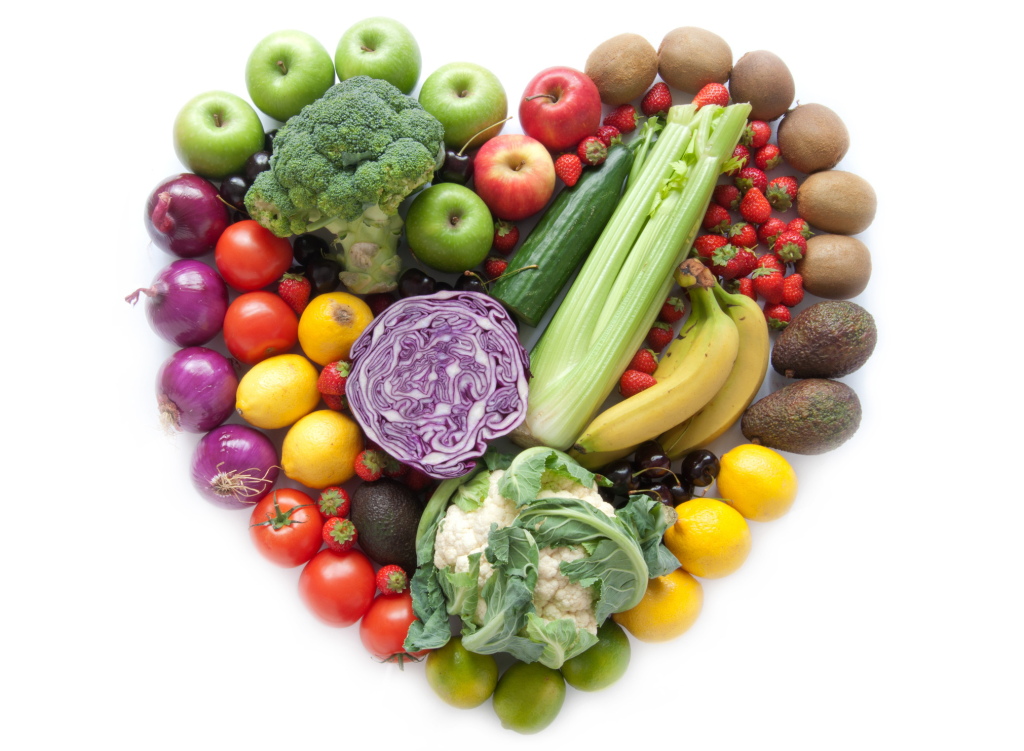
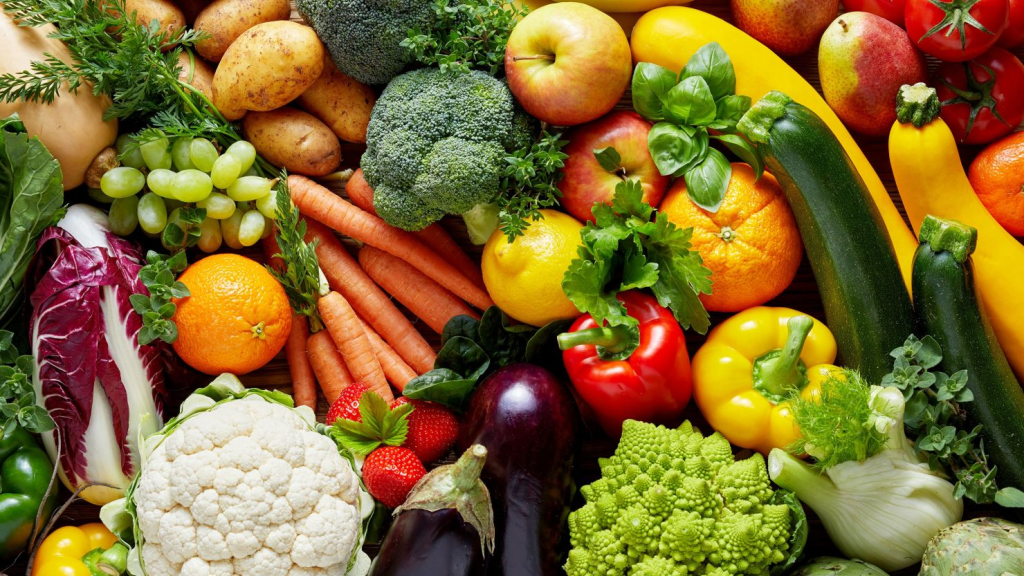
🍎 A. Fruits and Vegetables (Foundation of Health)
- Aim: 5–10 servings daily
- Rich in fiber, vitamins, and antioxidants
Examples:
- Fruits: bananas, oranges, mangoes, papaya
- Vegetables: spinach, carrots, cabbage, tomatoes
👉 Benefits:
- Boost immunity
- Improve digestion
- Reduce disease risk
🍚 B. Whole Grains (Energy Source)
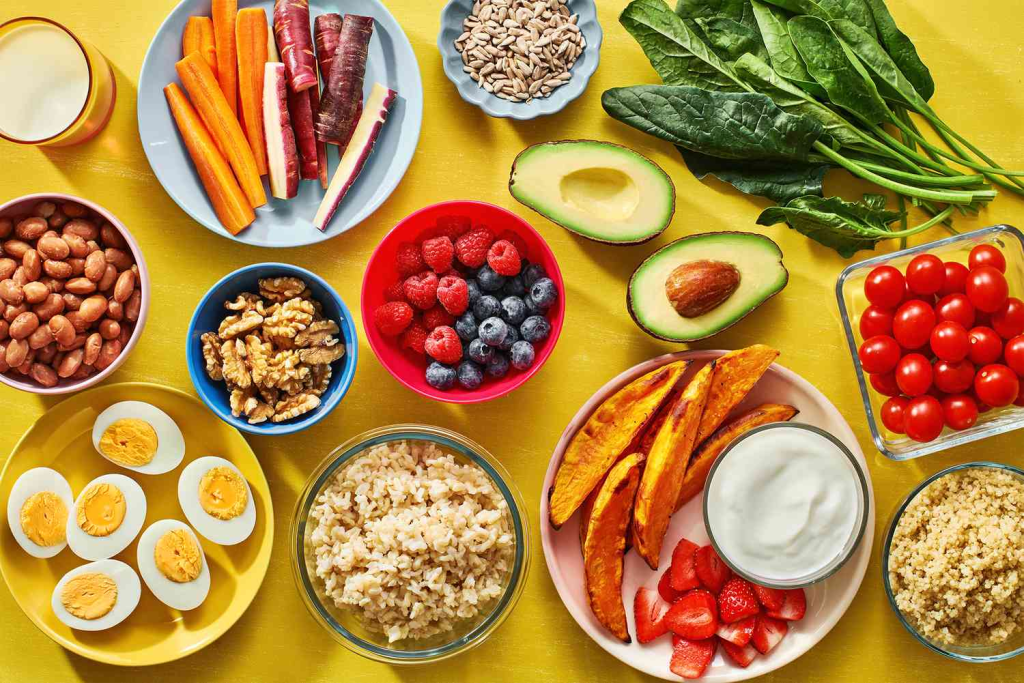
Choose:
- Brown rice
- Whole maize
- Oats
- Whole wheat bread
Avoid:
- Refined flour and processed grains
👉 Why?
- Provide long-lasting energy
- Support heart health ❤️
🍗 C. Proteins (Body Building & Repair)
Include:
- Lean meat (chicken, fish)
- Eggs
- Beans, lentils
- Groundnuts (peanuts)
👉 Tip:
Mix plant + animal protein for best results.
🥑 D. Healthy Fats (Essential, Not Optional!)
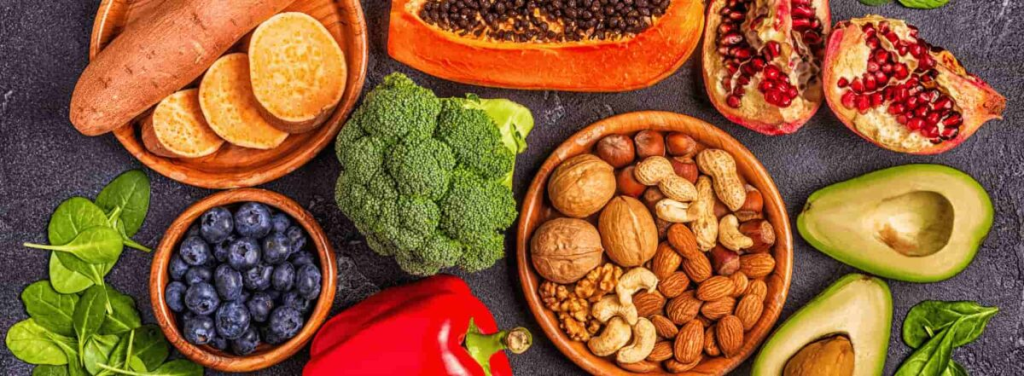
Choose:
- Avocados
- Nuts & seeds
- Olive oil
Limit:
- Fried foods
- Trans fats
👉 Healthy fats support:
- Brain function 🧠
- Hormone balance.
🥛 E. Dairy or Alternatives
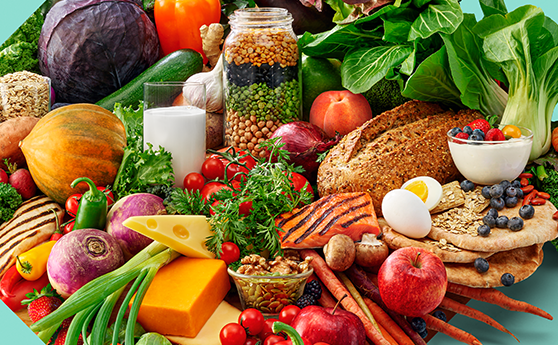
- Milk, yogurt, cheese (or plant-based options)
👉 Provides:
- Calcium for strong bones 🦴
💧 F. Water (Often Ignored but Critical)
- Drink 6–8 glasses daily
- More if active or in hot climates (like Rwanda ☀️)
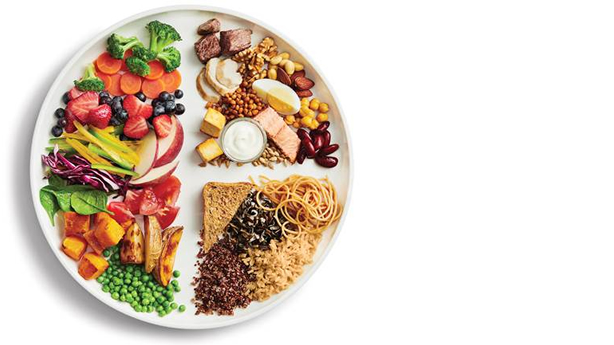
⚖️ 3. The Ideal Plate Model
Visualize your plate like this:
- 🥦 50% Vegetables & Fruits
- 🍚 25% Whole grains
- 🍗 25% Protein
- 🥑 Small portion of healthy fats
This simple structure ensures balance without complicated calculations.
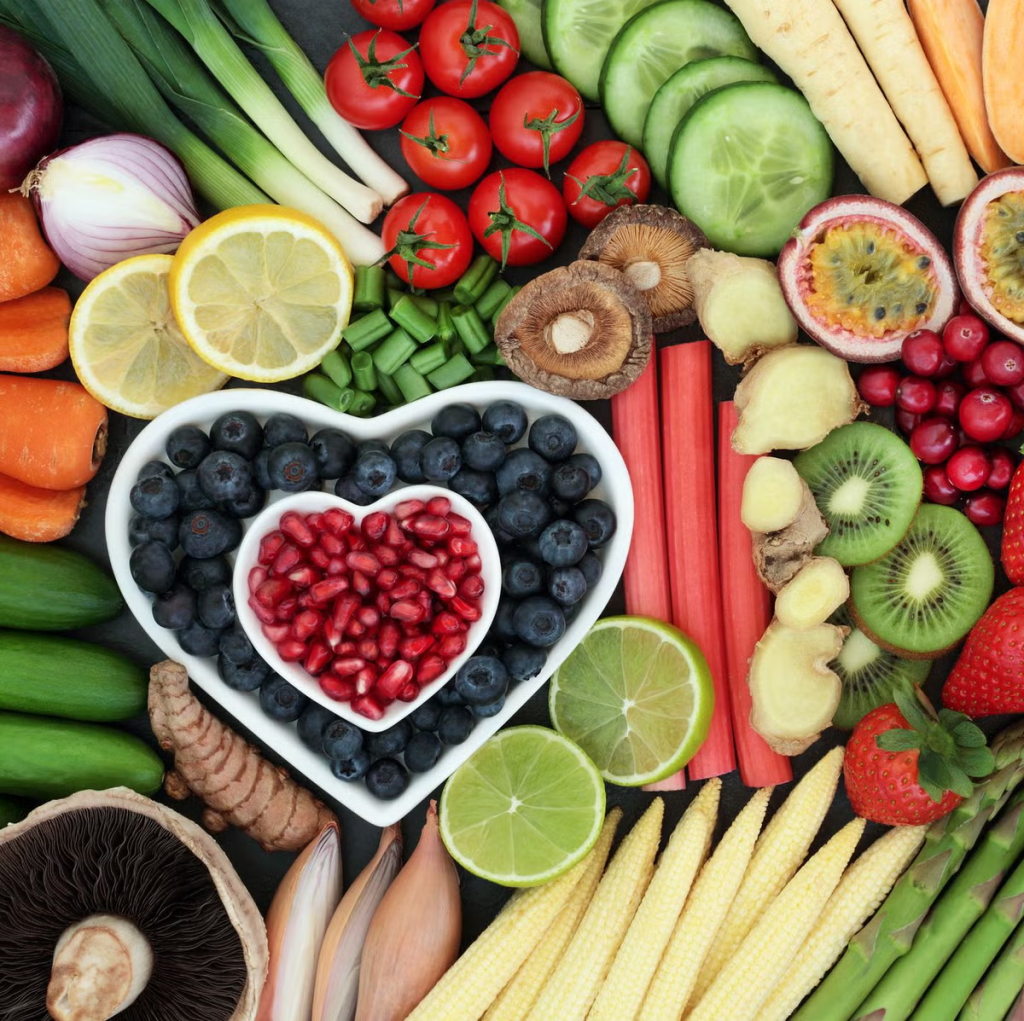
🚫 4. Foods to Limit or Avoid
Reduce intake of:
- ❌ Processed foods
- ❌ Sugary drinks (soda, artificial juices)
- ❌ Excess salt
- ❌ Deep-fried foods
👉 Overconsumption increases risk of:
- Heart disease
- Stroke
⏰ 5. Healthy Eating Habits
Beyond what you eat, how you eat matters:
- 🕒 Eat at regular times
- 🍽️ Avoid overeating
- 🧘 Eat slowly and mindfully
- 🌙 Avoid heavy late-night meals
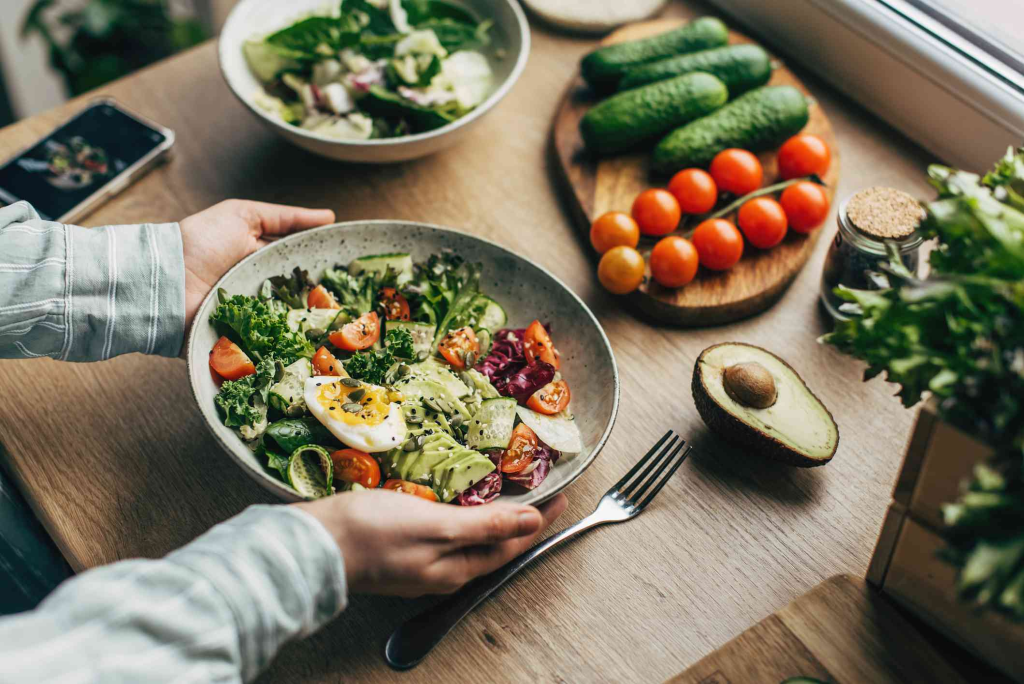
🌍 6. Sample Daily Meal Plan (Practical)
🍳 Breakfast
- Porridge + banana
- Boiled eggs
🍛 Lunch
- Brown rice + beans
- Vegetables (greens, carrots)
🍎 Snack
- Fruit (apple or mango)
- Groundnuts
🍲 Dinner
- Light meal: vegetables + small protein portion
🧬 7. Special Considerations
Different people need different diets:
- 👶 Children: need more protein and energy
- 🤰 Pregnant women: need iron, folate
- 🏃 Active individuals: need more calories and protein
- 👴 Elderly: need easy-to-digest, nutrient-rich foods
🏃 8. Diet + Lifestyle = True Health
Diet alone is not enough. Combine with:
- Regular exercise 🏃♂️
- Good sleep 😴
- Stress management 🧘♀️
✅ Final Takeaway
The best diet for healthy living is:
Balanced, natural, varied, and consistent—not extreme.
👉 Focus on:
- Whole foods 🌿
- Proper portions 🍽️
- Healthy habits ⏳